Only 0.3% of rounds get here. The reason isn't what most golfers assume.
This one is for the truly elite. Sub-1 handicaps. The best of the best.
But before you close the tab and say "that'll never be me"… stick around. There's a lot in these rounds that applies to you no matter where you are in your golf journey. The principle that gets a plus handicap into the 60s is the same principle that gets a 22 handicap into the 90s. Only the numbers change.
We've analyzed almost 200,000 rounds of shot-by-shot data from real golfers to figure out exactly what it takes to shoot in the 60s.
And it is not as simple as making more birdies.
Watch the Full Breakdown
Watch the full video on YouTube
Dallas breaks down all 473 of these rounds — including his own. Everything below is the written version.
First, Just How Rare Is This?
Out of more than 190,000 rounds tracked in Tangent, only 473 were in the 60s.
That's less than 0.3%.
And before anyone writes me off as a data nerd who's never done it — 12 of those 473 rounds were mine, including a 67 in a tournament round on the US Am Tour.
So let's talk about what those rounds actually look like.
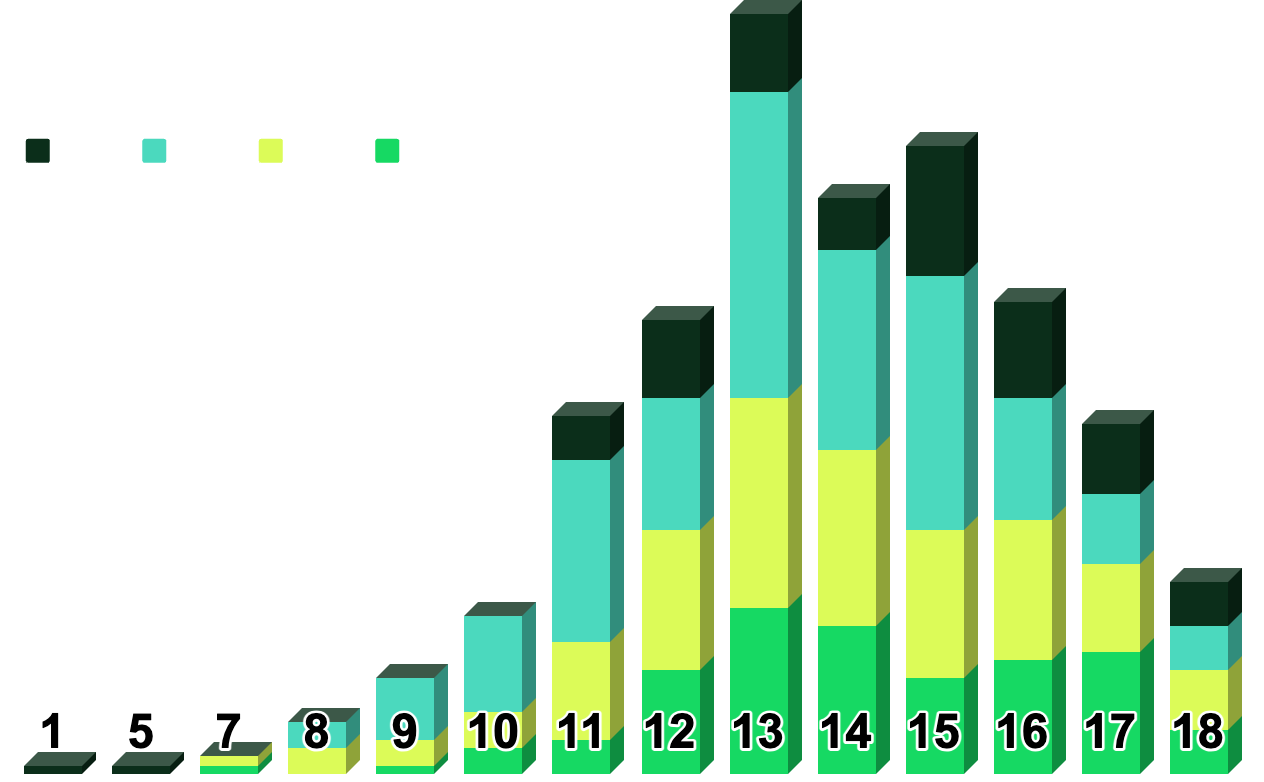
1. Greens in Regulation: 13 to 15
If you've read the rest of the breaking series, you already know where this starts. Greens.
Players shooting in the 60s hit a lot of them — but maybe not as many as you'd expect.
For reference, PGA Tour players average about 12 to 13 greens in regulation. Tangent users shooting in the 60s aren't much different. Maybe a tick higher: 13 to 15.
Why more than the pros? A few reasons. These rounds are generally played on easier courses, from shorter distances, and not all of them were played from the tips.
Still — that's a lot of greens. And it adds up to 13 to 15 legitimate birdie looks.
2. Birdies: Only 4 to 5
So with 13 to 15 birdie looks, these players must be pouring them in, right?
Not even close.
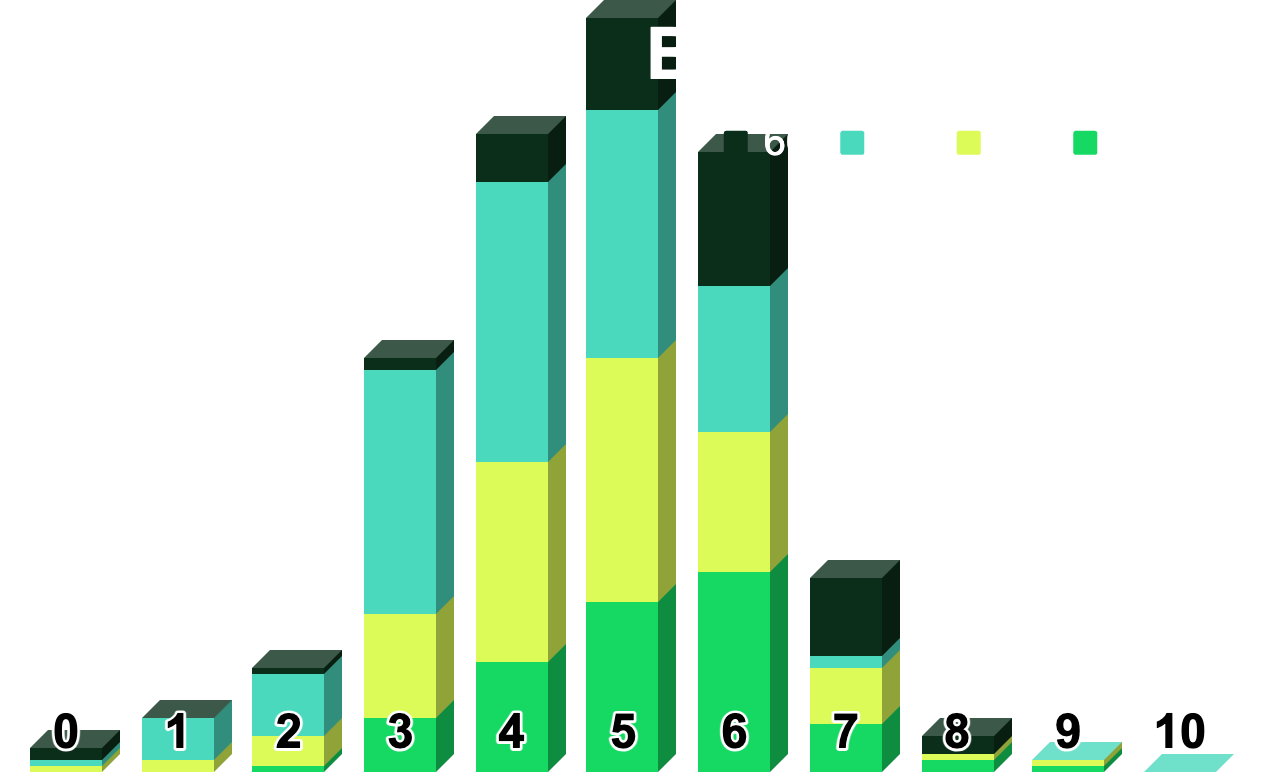
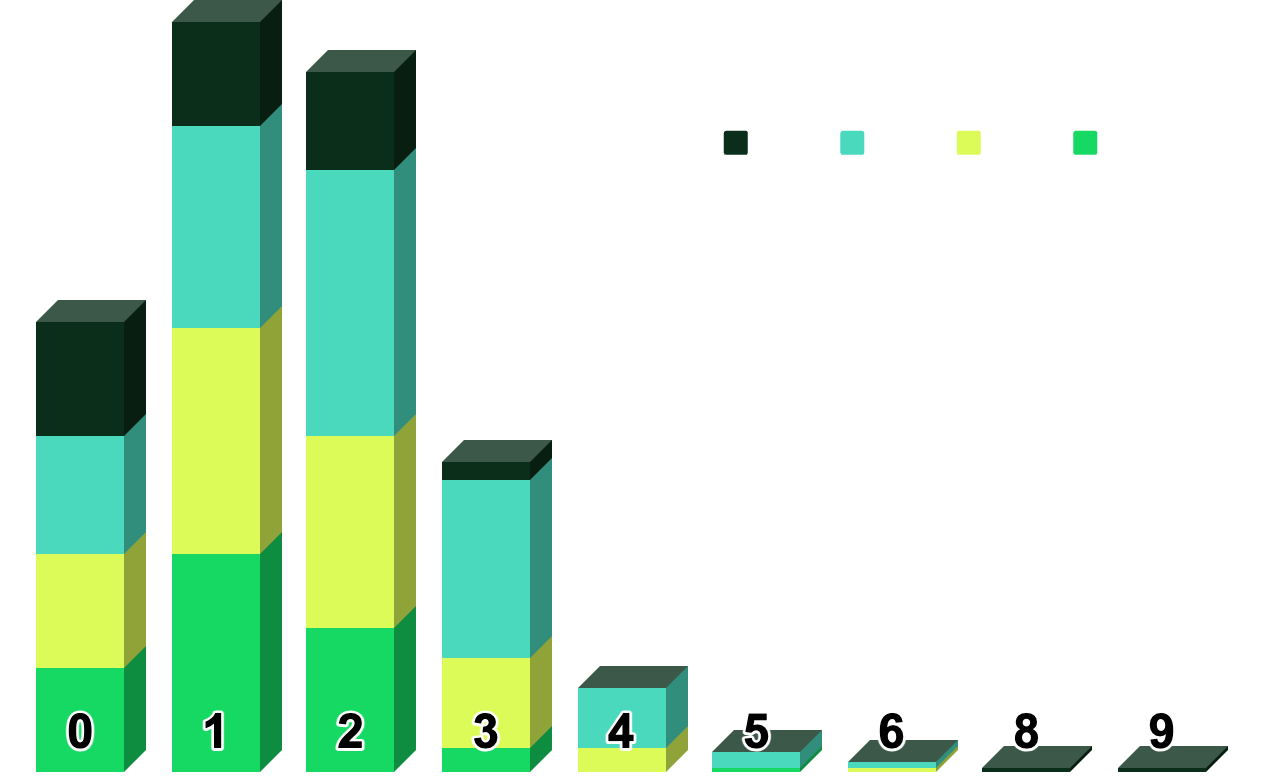
Players who break 70 are making four to five birdies per round.
That's still a lot of birdies. But run the math on a typical par 72. You need at least three birdies just to get to 69. So four or five birdies means they're only making two more than the bare minimum required to qualify.
Which tells you the birdies aren't the story.
3. The Real Secret: Bogey Avoidance
Breaking 70 isn't about firing at flags. It's about not screwing up.
It's about playing boring golf.
Players who break 70 are making three or fewer bogeys in an 18-hole round.
And notice — that's not perfect golf. There are still bogeys on the card. Genuinely clean scorecards are far rarer: only 326 bogey-free rounds out of more than 190,000. Under 0.2%.
But every mistake matters at this level. Every bogey you make is one more birdie you have to go find somewhere else. And birdies are hard.
The fastest path to the 60s is fewer bogeys, not more birdies.
That's the whole article, honestly. Everything below is just how you do it.
Where Elite Players Actually Separate
Sure, you need a decent swing. You need some talent. Nobody's shooting 67 with a slice they can't control.
But the true separator is decision-making.
Every shot you hit has a pattern — a range of possible outcomes based on your skill level. That's your dispersion. And elite players are exceptionally good at choosing targets that account for it.
They are not trying to stack up perfect shot after perfect shot. They're choosing targets where their miss is still good.
Here's how that plays out.
Off the Tee
A good tee shot means exactly two things:
- No big trouble
- As close to the target as possible
That's it.
Sometimes that means favoring the rough. It does not mean always aiming down the middle of the fairway.
And it does not mean always hitting the safe club, either. You have to learn to love your driver. Laying back off every tee is its own kind of mistake — it just costs you strokes more quietly.
The goal is finding the club and target that get you as close as possible without taking on additional risk.
This is precisely what Tangent was built to do. It factors in your distances, your dispersions, and what it knows about the golf course, then gives you targets optimized for scoring rather than for looking brave.
Approach Shots
Do elite players fire at every flag?
No. Because most flags carry some level of risk, and risk brings bogeys.
Elite golfers aim away from trouble and aim for fat spots. They will happily trade a short-sided bunker shot for a 30-foot putt.
And think about why that's a good trade. I would gladly take 18 birdie chances from 30 feet. I'm going to make some of those. Meanwhile the short-sided bunker shot isn't producing many birdies at all — it's producing bogeys.
Smart targets give you room to miss and leave you easier up-and-downs when you do.
The Short Game Myth
We all have this impression that tour pros have magical short games. That they're spinning flop shots to two feet on command.
The reality is much less exciting.
Tour players get up and down more often because they leave themselves in easier spots. They're only missing four or so greens to begin with, and most of those misses are relatively elementary up-and-downs.
So if you want to raise your scramble percentage in a hurry, don't start with your wedges. Start with your approach targets. Better targets produce easier short game shots, and easier short game shots get up and down more often.
Your scrambling stat is mostly a reflection of your approach game.
So Where Do the Birdies Come From?
We're choosing conservative targets. We're two-putting a lot for easy pars. So where do four or five birdies actually come from?
Two places.
Par 5s
Par 5s are scoring holes, and it isn't close.
Golfers shooting in the 60s are hitting the green on par 5s more than 92% of the time, and averaging roughly half a stroke under par on them.
That's where the birdies live.
Par 3s are almost the exact opposite. Those are the toughest holes on the card — 60s shooters average close to a third of a stroke over par on them. On a par 3, just survive.
Happy Accidents
The rest of the birdies are exactly what they sound like. You hit it close on a par 4. You roll in a 20-footer. You chip in.
You cannot force these. You just have to let them happen.
Give yourself a pile of birdie chances and stop making bogeys, and some of them will fall.
The Break 70 Scorecard
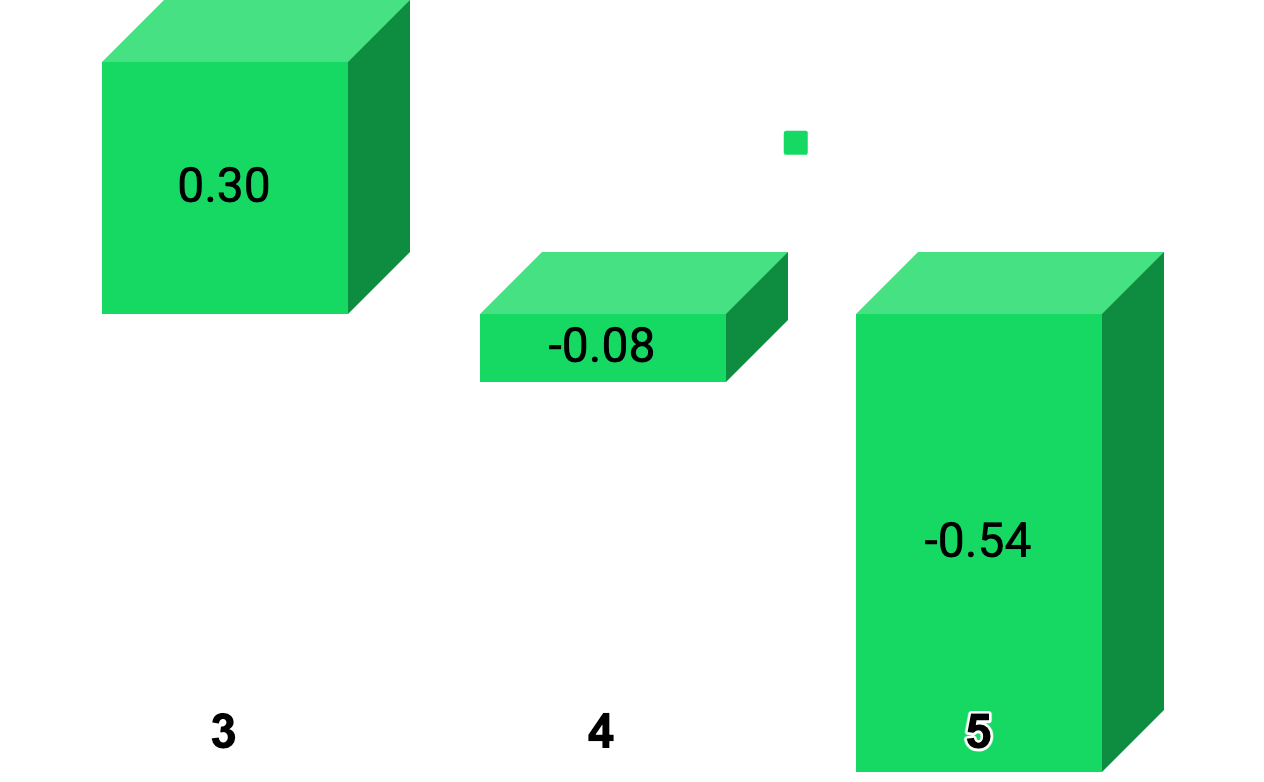
- Greens in Regulation — 13 to 15 per round
- Birdies — 4 to 5 per round
- Bogeys — 3 or fewer
- Par 5 greens hit — more than 92%
- Par 5 scoring average — about half a stroke under par
- Par 3 scoring average — about a third of a stroke over par
For context: PGA Tour players average 12 to 13 greens in regulation.
What This Means If You're Nowhere Near 70
Here's why this matters even if you're chasing 100, 90, or 80.
The mechanism is identical at every level. Elite players don't score by executing more perfect shots — they score by choosing targets where their misses are survivable, and by refusing to turn one mistake into two.
Swap "bogey" for "double bogey" and this is the exact same article we'd write for a 15 handicap. The number moves. The idea doesn't.
Boring golf is good golf at every handicap.
Tools to Help
Tangent doesn't just know the golf course — it learns your game. It can simulate thousands of data points for every shot, factoring in wind, elevation, and your actual dispersions, then hand you tour-level targets.
I built it specifically for this.
I used the platform to go from a 6 handicap to a plus 1, and I've been lucky enough to join the breaking 70 club at least a dozen times.
Whatever your goal is — breaking 90 or breaking 70 — the process is the same.
Download Tangent Golf and let's go improve.
Frequently Asked Questions
How rare is it to shoot in the 60s?
Extremely rare. Out of more than 190,000 rounds tracked in Tangent, only 473 came in under 70 — less than 0.3%. Bogey-free rounds are rarer still, at 326 rounds, or under 0.2%.
How many greens in regulation do you need to break 70?
Between 13 and 15 per round. For perspective, PGA Tour players average about 12 to 13. Tangent users shooting in the 60s run slightly higher, largely because they're often playing easier courses from shorter tees.
Do you need to make a lot of birdies to break 70?
Fewer than most people assume — four to five per round. On a par 72 you need three birdies just to reach 69, so players breaking 70 are only making about two more than the minimum. The differentiator is bogey avoidance, not birdie production.
How many bogeys can you make and still break 70?
Three or fewer. And that's the number worth internalizing: every bogey you make is another birdie you have to go find, and birdies are hard to manufacture. Reducing bogeys is a far more reliable path to the 60s than trying to make more birdies.
Why do tour players get up and down so much more often?
Not because of miracle flop shots. They're only missing about four greens per round to begin with, and because they choose smart approach targets, most of those misses leave relatively simple up-and-downs. Scramble percentage is largely a downstream effect of approach shot decisions.
Which holes should I attack?
Par 5s. Golfers shooting in the 60s hit par 5 greens more than 92% of the time and average about half a stroke under par on them. Par 3s are the opposite — they play about a third of a stroke over par even for elite players, so the goal there is simply to survive.
I'm a mid-handicap. Does any of this apply to me?
Yes, directly. The mechanism is the same at every level: choose targets that account for your dispersion so your misses stay playable, and avoid compounding one mistake into two. Replace "bogey" with "double bogey" and the advice is unchanged.